

Higher Education
Op-Ed
How to Create a Learning Schedule For a CPA Exam
By Michael Dunlop
November 24, 2021
Most college students who successfully go through accounting courses relish graduation and are very happy when they get to this stage. However, they all know that the next step is one of the most difficult ones for their careers. This involves the CPA (Certified Public Accountant) exams.
Students graduating from accounting schools are encouraged to consider sitting for the CPA exams immediately instead of waiting for a later date. This is because it might be difficult to find time later on.
That notwithstanding, no matter the time you choose to prepare for your CPA exams, you will face the same challenges as anyone else. This is because the process involves things like studying, scheduling, assessments, and coming with a timeframe that best suits your life.
You need to create a learning schedule for your CPA exams and follow tips that help in passing professional exams if at all you are to make it in this career. You can follow these steps to create one that works for you;
Time To Pass CPA Exams
The main aim of taking the CPA exams is to get the CPA certification. However, you need to come up with a timeframe for your CPA exam. This will depend on the time that you have and anything else that you could be doing.
Every student wants to excel in all sections of the CPA exam when they sit for them. They do everything that they can to avoid failing. However, this depends on things such as schedules of their work, stages of their lives, and their familiarity with the course material.
You, therefore, need to evaluate these things to determine whether you need a flexible or intense learning schedule for your CPA exams. After that, you can look at the top CPA review courses and choose the one that meets your requirements.
Using a Study Planner
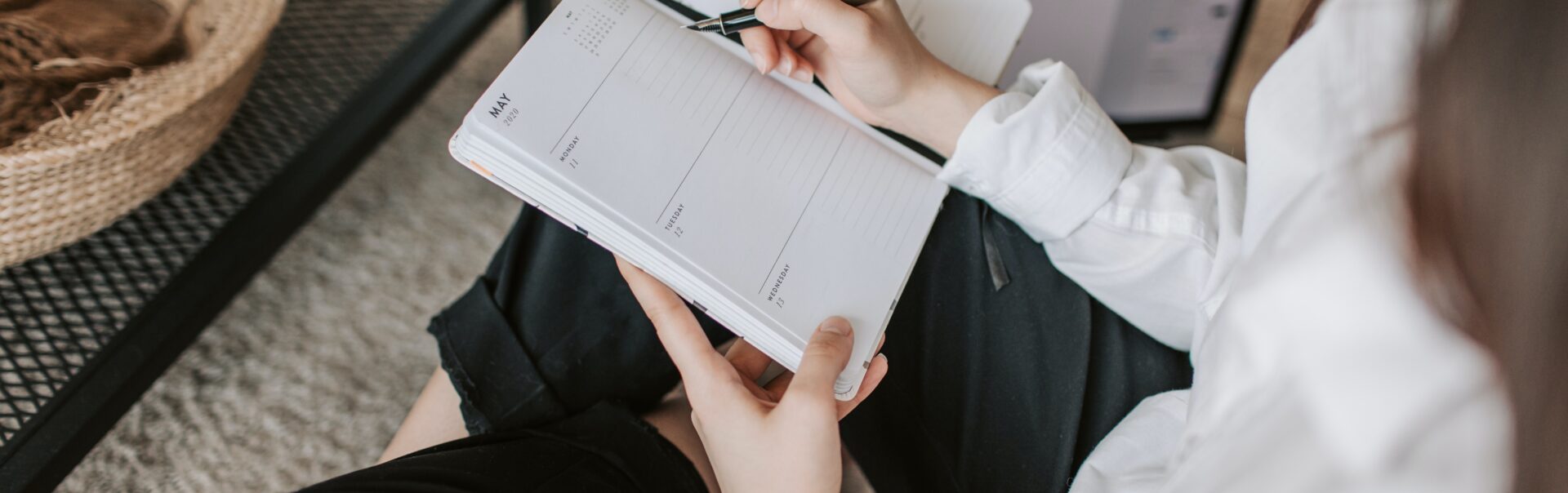
To make the most of your study sessions, you need to employ the use of a study planner. This planner plays an important role in streamlining your study sessions and aligning them to your lifestyle.
The right study planner needs you to provide it with things such as exam dates, study time in a day, and days you do not study for it to come up with an elaborate learning schedule. It also reminds you if you miss any sessions or have any examinations coming up.
Evaluating Your Personal Schedule
We all have personal schedules that consume most of our time. When creating a learning schedule for your CPA exam, you need to evaluate how you spend every single hour in a day.
For instance, you can come up with a chart showing the number of hours spent at work, in class, eating, sleeping, exercising, and sleeping every week. This will give you a clear picture of the number of hours you can use to prepare for your CPA exams.
After that, you can now adjust the number of hours allocated to each of these activities to accommodate your CPA exams preparation. Always make sure that you set a schedule that you can follow without any problems.
Get Time for Study Sessions
Now that you know the amount of time you need to pass your CPA exams, have employed the use of a study planner, and evaluated your personal schedule, you can come up with time for your study sessions.
Ensure that you have time dedicated to preparing for your CPA exams every day. In addition, try to make sure that any free time that you get is also dedicated to the preparation for the exams.
For instance, if you spend a considerable amount of time commuting, you can decide to listen to audio versions of your CPA course. Those that have an hour’s break for lunch at work can still have their lunch while at the same time reading sections of their CPA course.
This way, you will have come up with an effective method to make the most out of your CPA study sessions.
Conclusion
Creating a learning schedule for your CPA exam is the first step to making sure that you will pass your exams. It is also important in ensuring that you have set timeframes and allocated enough time for the preparation of the exams. If you follow this guide, you can be guaranteed a place among the best CPA exam performers.
Featured Image: Vlada Karpovich, Pexels.







No Comments